Proforma Invoice vs. Commercial Invoice: What's the Difference?
Proforma invoices are preliminary estimates, while commercial invoices are final payment requests and crucial legal documents for completed sales, especially in international trade.
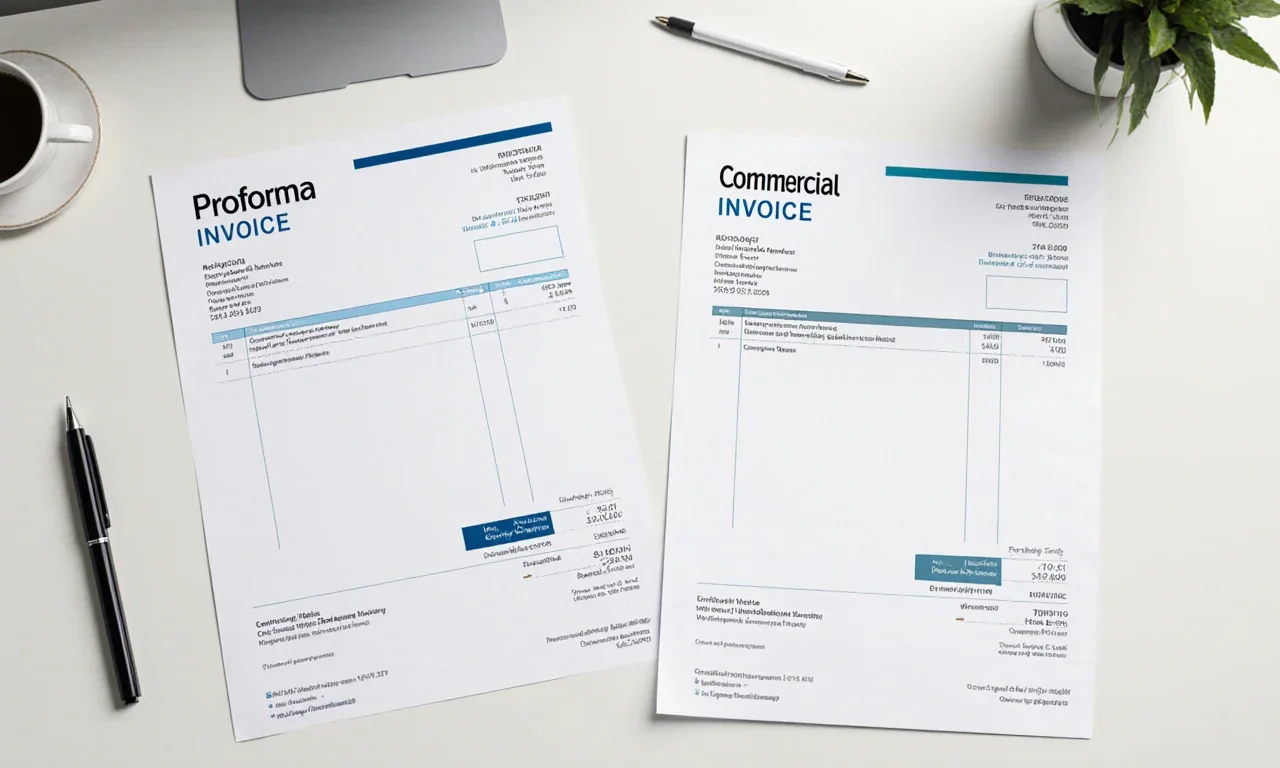
In the world of business, particularly in international trade, invoices are fundamental documents that facilitate transactions and ensure proper financial record-keeping. Two common types often encountered are proforma invoices and commercial invoices. While both provide details about a sale, they serve distinct purposes, are issued at different stages of a transaction, and carry varying legal and accounting implications. Understanding these differences is crucial for businesses to manage their sales processes, comply with regulations, and avoid costly mistakes.
What is a Proforma Invoice?
A proforma invoice is a preliminary bill of sale or a detailed estimate sent to a buyer before the final sale or shipment of goods.
Its primary function is to inform the buyer about the specific details of a potential transaction. This includes the quantity of goods, their descriptions, the agreed-upon prices, shipping costs, and payment terms. It essentially acts as a commitment from the seller to provide goods or services at a specified price. Buyers often use proforma invoices to obtain import licenses, arrange financing, or make internal purchasing decisions before the actual goods are dispatched.

Key characteristics of a proforma invoice:
- Purpose: Provides an estimated cost and confirms sale details before the transaction is finalized.
- Timing: Issued before the goods or services are delivered or shipped.
- Legal Standing: Not a legally binding document and does not formally request payment. It is an offer, not a demand for payment.
- Accounting: Generally not recorded in official accounting systems as it's an estimation and not a completed sale.
- Customs: Can be used for preliminary customs declarations or to help buyers obtain import permits, but it is not accepted for final customs clearance.
What is a Commercial Invoice?
A commercial invoice is a legally binding document issued by the seller to the buyer after a sale has been confirmed and the goods or services have been provided or are ready for shipment.
This document is a formal request for payment and serves as a legal record of the transaction. It is an essential component of financial reconciliation for both the buyer and the seller. In international trade, the commercial invoice is especially critical as it provides customs authorities with the necessary information to assess duties, taxes, and ensure regulatory compliance.
Key characteristics of a commercial invoice:
- Purpose: To finalize a sale, formally request payment, and serve as a legal record of the transaction.
- Timing: Issued after the sale is confirmed and goods/services are delivered or shipped.
- Legal Standing: It is a legally binding contract and a formal request for payment.
- Accounting: Recorded in accounting systems for sales, audits, and tax purposes. It directly impacts revenue recognition and accounts receivable.
- Customs: An essential customs document for international shipments, used to declare contents, value, and terms for calculating duties and taxes.
Key Differences Summarized
The distinction between these two types of invoices can be best understood by comparing their roles throughout the sales and shipping process.
| Feature | Proforma Invoice | Commercial Invoice |
|---|---|---|
| Purpose | Preliminary estimate, confirms details before sale. | Final bill of sale, formal request for payment, legal record of transaction. |
| Timing | Issued before goods/services are delivered. | Issued after goods/services are delivered or shipped. |
| Legal Status | Not legally binding. | Legally binding document and demand for payment. |
| Payment Request | Requests payment in a preliminary sense, but not final. | Formal and legally binding request for payment. |
| Accounting | Not recorded in accounting systems. | Recorded for accounting, audit, and tax purposes. |
| Customs | Used for estimation, not final customs clearance. | Required for international customs clearance and duty calculation. |

Conclusion
Both proforma invoices and commercial invoices are vital for clear and efficient business operations, particularly in global trade. While a proforma invoice acts as a detailed quote or an initial agreement, setting expectations for a future sale, a commercial invoice solidifies that sale into a legally recognized transaction and a definitive demand for payment. Businesses must accurately use each document at the appropriate stage to ensure smooth transactions, proper financial reporting, and compliance with domestic and international trade regulations.